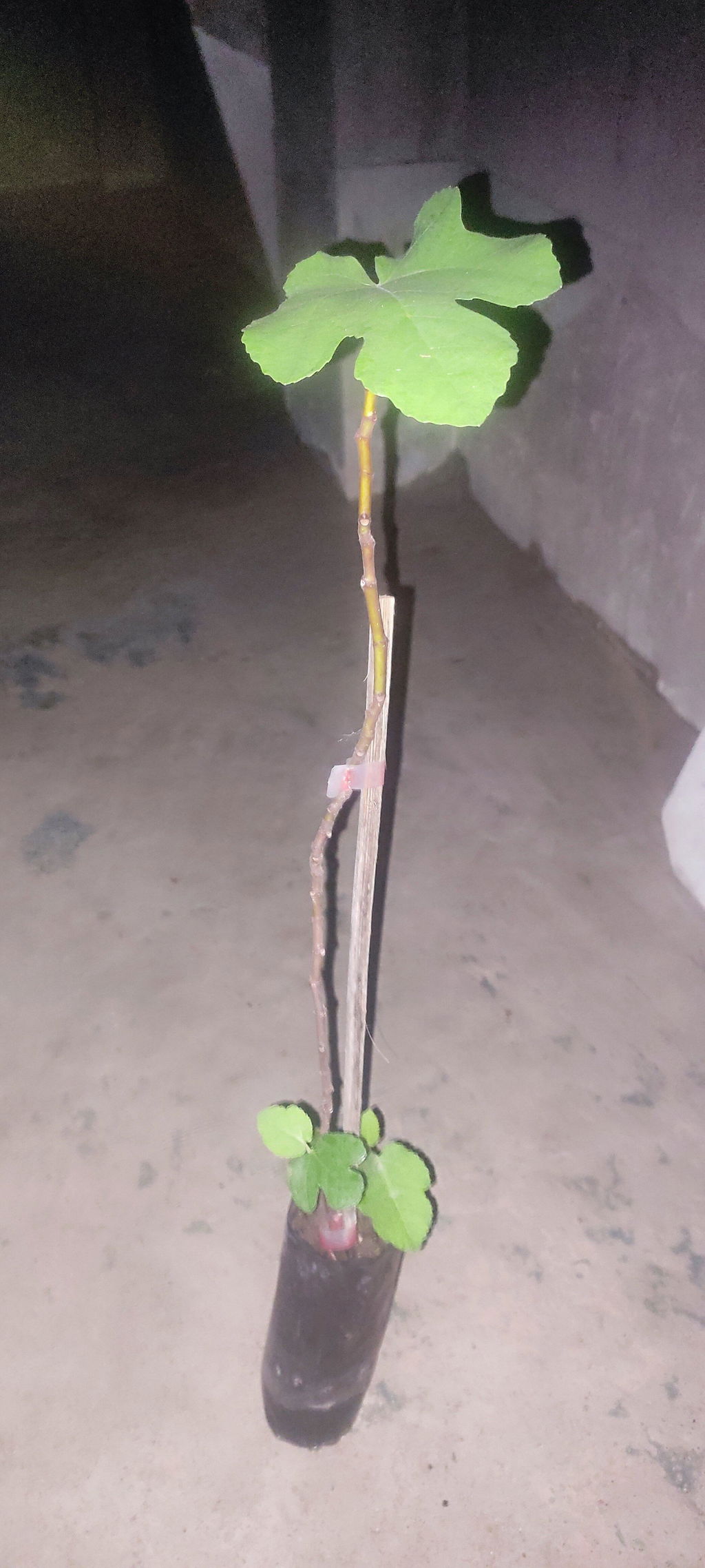
Deanna Fig Fruit Plant – Tissue Culture
Deanna Fig Fruit Plant – Tissue Culture

Bring home a tough, beautiful green corner without making plant care complicated.

Arrives Healthy — Or We Replace It Free
Every plant inspected and packed with care.
In stock


-
Free Shipping Above ₹499

-
7 Days Free Damage Replacement

-
Video Guides Available

-
Safe packing


Product description
Product description
Deanna Fig is a gourmet dessert fig bred to outclass the finicky Calimyrna — it sets large, sweet figs reliably on its own, without the special pollinating wasp Calimyrna needs, and with less fruit splitting than many fig varieties in India's humid summers.
A serious fig for a serious fig lover — grow the one you can't buy in a shop.
Plant Details
Variety: Ficus carica 'Deanna'
Common Names: Deanna Fig, Deanna Anjeer
Family: Moraceae
Propagation: Tissue culture
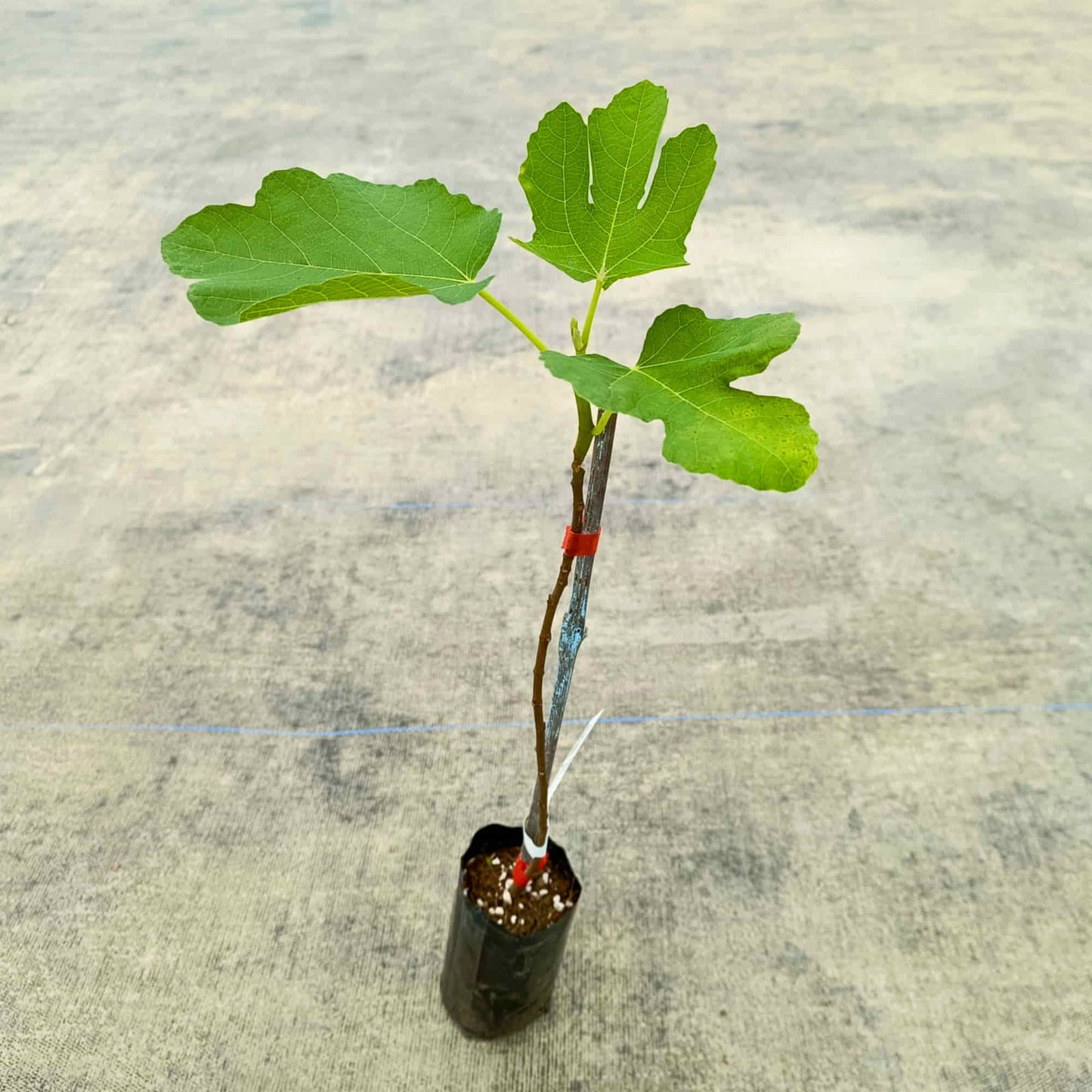
Plant Height at Dispatch: 30–50 cm
Container: Black poly nursery bag
Tree Type: Deciduous fruit tree
Bearing Age: 1–2 years after planting
Fruiting Season: Summer harvest; Autumn harvest
Sunlight: Full sun — minimum 8 hours direct daily
Mature Height: 2.5–3 m (8–10 ft); manageable with pruning
Suitable For: Home garden, farmhouse, terrace (large container), orchard
Fruit Profile
-
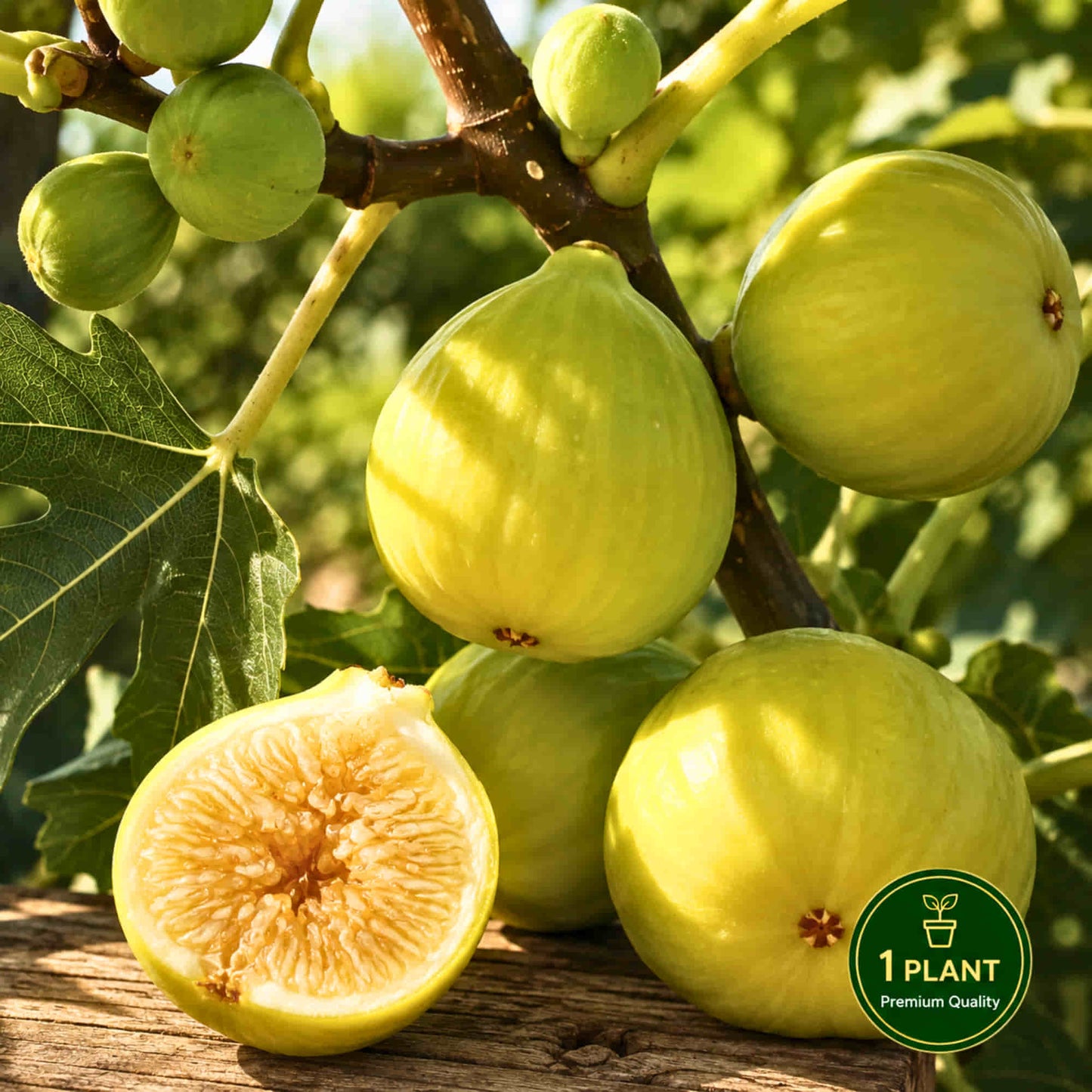
Fruit Shape: Large, rounded to slightly oblong; fruit weighing over 100g at maturity is common — noticeably bigger than most fig varieties.
-
Skin Colour: Green while immature, ripening to yellow or greenish-yellow
-
Pulp Colour: Golden to sweet amber
-
Taste: Sweet, rich, high-quality dessert fig
-
Flowers: Enclosed inside the fig — not visible externally
- Texture: Tender skin; soft flesh; a small, near-closed "eye" (ostiole) at the tip that resists rain and insect entry
Why Deanna Fig
-
No fig wasp required: unlike Smyrna-type figs such as Calimyrna, which need a specific pollinating wasp not found in most of India, Deanna is self-fruitful and sets fruit reliably on its own.
-
Bred to fix a real problem: developed at UC Riverside specifically to replace the caprification-dependent Calimyrna with something easier to grow and just as good to eat.
-
Genuinely large fruit: figs regularly weigh 100 grams or more — noticeably bigger than the fruit on most fig varieties sold in India.
-
Less prone to cracking: bred for reduced splitting, which helps in India's humid, monsoon-prone summers — fruit can still split after heavy rain or uneven watering.
-
Closed "eye" reduces spoilage: the small, near-sealed tip keeps rain and insects out of the fruit, so fewer figs sour or rot on the branch compared with open-eyed varieties.
-
Tissue-culture grown: lab-propagated for uniform, true-to-variety plants.
-
A fruit you cannot buy: fully ripe figs are too delicate to survive a supply chain to a shop shelf — growing your own is genuinely the only way to taste one at peak ripeness
Inside The Box
- 1 live Deanna Fig Plant, 30–50 cm tall
- Black poly nursery bag
- Pre-moistened growing medium
Please Note
-
Fruit images are for variety reference only. The plant dispatched is a sapling — fruit production begins in 1–2 years under good growing conditions.
-
Fruit size, colour, sweetness, yield, and fruiting time vary with climate, nutrition, pruning, and local growing conditions.
-
Outdoor plant requiring full sun (8 hours minimum daily). Not suitable for shaded or indoor growing.

How To Care
How To Care
7 Days Free Damage Replacement
7 Days Free Damage Replacement
Shipping Costs
- Free Delivery: Available for Orders Above INR 499.
- Prepaid Orders Below INR 499: Shipping Charge of INR 54.
- Cash on Delivery Orders Below INR 499: Shipping Charge of INR 84.
Plant Safe-Arrival Guarantee
Damaged or dead on arrival? We replace it free. A few yellow or dropped leaves are normal transit stress and revive in 5–7 days — not damage.
- Damaged plant or pot: claim within 7 days of delivery. Dead plant on arrival: claim within 48 hours of delivery
- Unboxing video required: please record one continuous video, sealed box to plant out. Claims without an unboxing video cannot be accepted
- Covered: broken stem, uprooted roots, fully dried/rotted foliage, cracked pot, wrong or missing item
- Not covered: minor transit stress, care damage after delivery, claims without an unboxing video, claims after these time limits
- Resolution: free replacement, or store credit if you prefer. If a replacement is unavailable, we refund the value of the damaged or dead plant or item (for COD orders, we request your bank details)
- To claim: WhatsApp +91 93037 51612 with your order number, photos, and the video
FAQs
FAQs
Technical Details
Technical Details
Item Weight :
Net Quantity: 1
Colour : N/A
Assembly Required: No
SKU : Deanna_Fig
Additional Information
Additional Information
Country of Origin: India
Manufacturer: HEALTHUNBOX PRIVATE LIMITED
Consumer Care: 9513316259 | Email - support@organicbazar.net
Consumer Care Address: P NO 225, NEAR OF WATER TANK, VIPATPURA, Narsinghpur (M.P) 487001
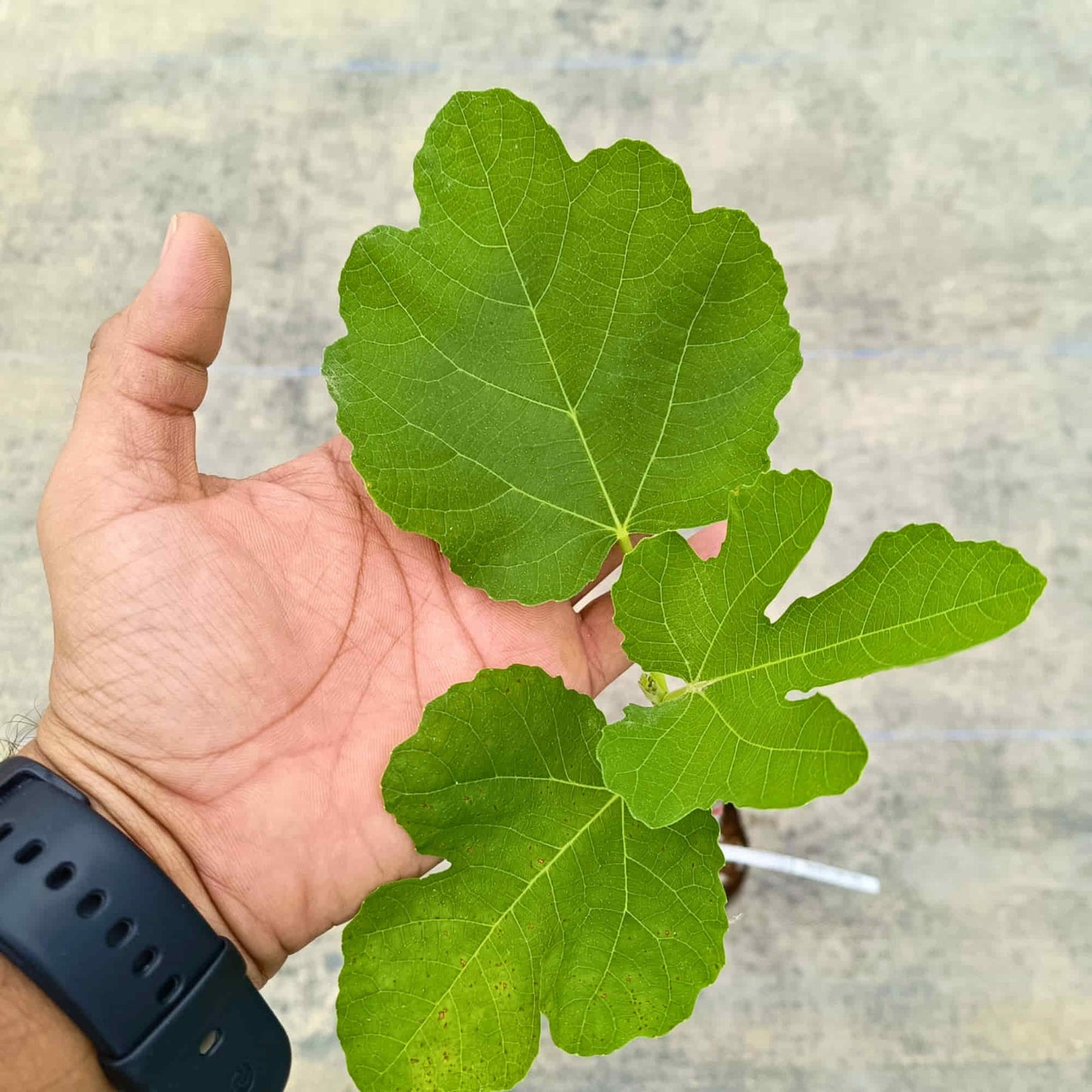
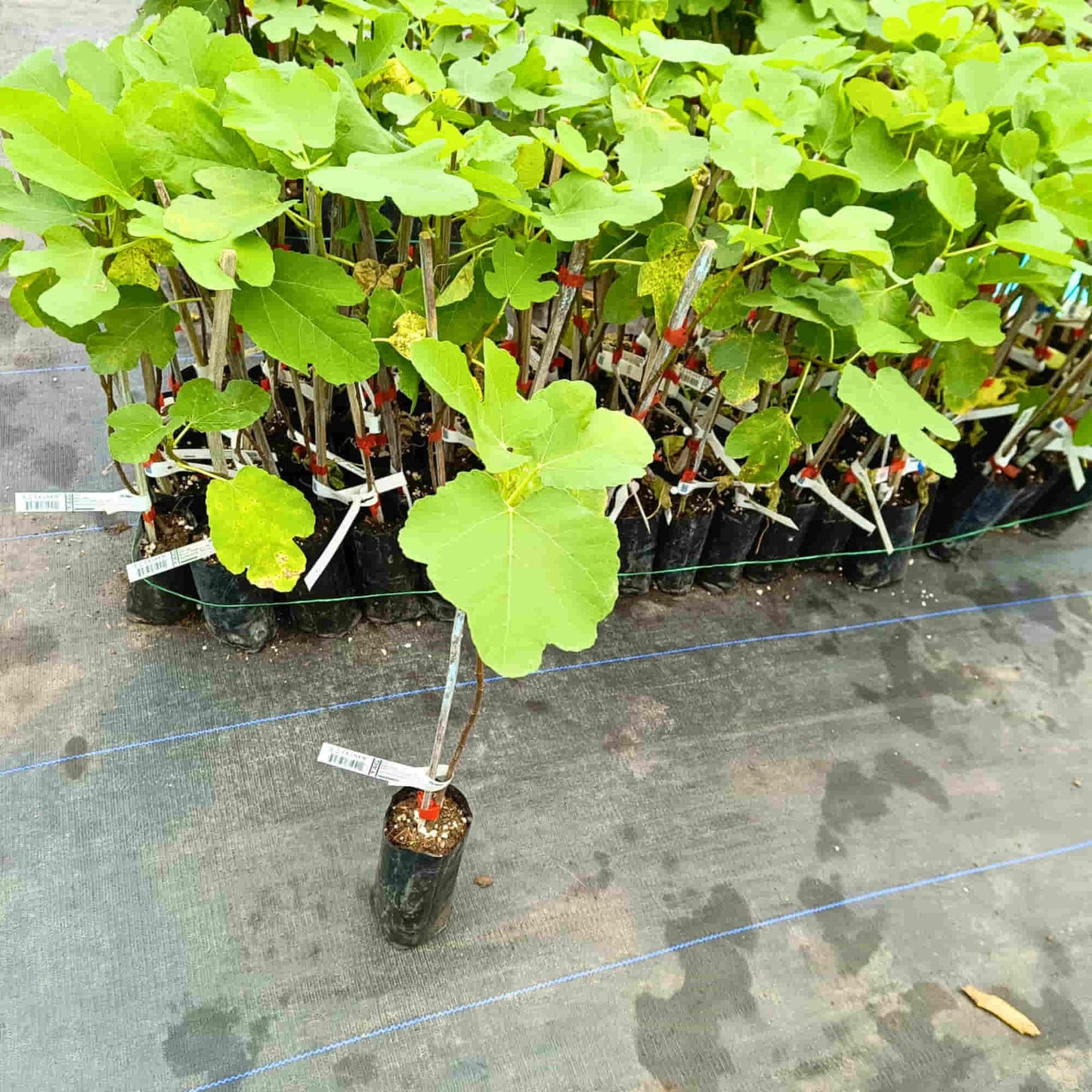

Deanna Fig Fruit Plant – Tissue Culture
Create Bundle


Deanna Fig is a gourmet dessert fig bred to outclass the finicky Calimyrna — it sets large, sweet figs reliably on its own, without the special pollinating wasp Calimyrna needs, and with less fruit splitting than many fig varieties in India's humid summers.
A serious fig for a serious fig lover — grow the one you can't buy in a shop.
Plant Details
Variety: Ficus carica 'Deanna'
Common Names: Deanna Fig, Deanna Anjeer
Family: Moraceae
Propagation: Tissue culture
Plant Height at Dispatch: 30–50 cm
Container: Black poly nursery bag
Tree Type: Deciduous fruit tree
Bearing Age: 1–2 years after planting
Fruiting Season: Summer harvest; Autumn harvest
Sunlight: Full sun — minimum 8 hours direct daily
Mature Height: 2.5–3 m (8–10 ft); manageable with pruning
Suitable For: Home garden, farmhouse, terrace (large container), orchard
Fruit Profile
-
Fruit Shape: Large, rounded to slightly oblong; fruit weighing over 100g at maturity is common — noticeably bigger than most fig varieties.
-
Skin Colour: Green while immature, ripening to yellow or greenish-yellow
-
Pulp Colour: Golden to sweet amber
-
Taste: Sweet, rich, high-quality dessert fig
-
Flowers: Enclosed inside the fig — not visible externally
- Texture: Tender skin; soft flesh; a small, near-closed "eye" (ostiole) at the tip that resists rain and insect entry
Why Deanna Fig
-
No fig wasp required: unlike Smyrna-type figs such as Calimyrna, which need a specific pollinating wasp not found in most of India, Deanna is self-fruitful and sets fruit reliably on its own.
-
Bred to fix a real problem: developed at UC Riverside specifically to replace the caprification-dependent Calimyrna with something easier to grow and just as good to eat.
-
Genuinely large fruit: figs regularly weigh 100 grams or more — noticeably bigger than the fruit on most fig varieties sold in India.
-
Less prone to cracking: bred for reduced splitting, which helps in India's humid, monsoon-prone summers — fruit can still split after heavy rain or uneven watering.
-
Closed "eye" reduces spoilage: the small, near-sealed tip keeps rain and insects out of the fruit, so fewer figs sour or rot on the branch compared with open-eyed varieties.
-
Tissue-culture grown: lab-propagated for uniform, true-to-variety plants.
-
A fruit you cannot buy: fully ripe figs are too delicate to survive a supply chain to a shop shelf — growing your own is genuinely the only way to taste one at peak ripeness
Inside The Box
- 1 live Deanna Fig Plant, 30–50 cm tall
- Black poly nursery bag
- Pre-moistened growing medium
Please Note
-
Fruit images are for variety reference only. The plant dispatched is a sapling — fruit production begins in 1–2 years under good growing conditions.
-
Fruit size, colour, sweetness, yield, and fruiting time vary with climate, nutrition, pruning, and local growing conditions.
-
Outdoor plant requiring full sun (8 hours minimum daily). Not suitable for shaded or indoor growing.
Shipping Costs
- Free Delivery: Available for Orders Above INR 499.
- Prepaid Orders Below INR 499: Shipping Charge of INR 54.
- Cash on Delivery Orders Below INR 499: Shipping Charge of INR 84.
Plant Safe-Arrival Guarantee
Damaged or dead on arrival? We replace it free. A few yellow or dropped leaves are normal transit stress and revive in 5–7 days — not damage.
- Damaged plant or pot: claim within 7 days of delivery. Dead plant on arrival: claim within 48 hours of delivery
- Unboxing video required: please record one continuous video, sealed box to plant out. Claims without an unboxing video cannot be accepted
- Covered: broken stem, uprooted roots, fully dried/rotted foliage, cracked pot, wrong or missing item
- Not covered: minor transit stress, care damage after delivery, claims without an unboxing video, claims after these time limits
- Resolution: free replacement, or store credit if you prefer. If a replacement is unavailable, we refund the value of the damaged or dead plant or item (for COD orders, we request your bank details)
- To claim: WhatsApp +91 93037 51612 with your order number, photos, and the video
Item Weight :
Net Quantity: 1
Colour : N/A
Assembly Required: No
SKU : Deanna_Fig
Country of Origin: India
Manufacturer: HEALTHUNBOX PRIVATE LIMITED
Consumer Care: 9513316259 | Email - support@organicbazar.net
Consumer Care Address: P NO 225, NEAR OF WATER TANK, VIPATPURA, Narsinghpur (M.P) 487001
Deanna Fig is a gourmet dessert fig bred to outclass the finicky Calimyrna — it sets large, sweet figs reliably on its own, without the special pollinating wasp Calimyrna needs, and with less fruit splitting than many fig varieties in India's humid summers.
A serious fig for a serious fig lover — grow the one you can't buy in a shop.
Plant Details
Variety: Ficus carica 'Deanna'
Common Names: Deanna Fig, Deanna Anjeer
Family: Moraceae
Propagation: Tissue culture
Plant Height at Dispatch: 30–50 cm
Container: Black poly nursery bag
Tree Type: Deciduous fruit tree
Bearing Age: 1–2 years after planting
Fruiting Season: Summer harvest; Autumn harvest
Sunlight: Full sun — minimum 8 hours direct daily
Mature Height: 2.5–3 m (8–10 ft); manageable with pruning
Suitable For: Home garden, farmhouse, terrace (large container), orchard
Fruit Profile
-
Fruit Shape: Large, rounded to slightly oblong; fruit weighing over 100g at maturity is common — noticeably bigger than most fig varieties.
-
Skin Colour: Green while immature, ripening to yellow or greenish-yellow
-
Pulp Colour: Golden to sweet amber
-
Taste: Sweet, rich, high-quality dessert fig
-
Flowers: Enclosed inside the fig — not visible externally
- Texture: Tender skin; soft flesh; a small, near-closed "eye" (ostiole) at the tip that resists rain and insect entry
Why Deanna Fig
-
No fig wasp required: unlike Smyrna-type figs such as Calimyrna, which need a specific pollinating wasp not found in most of India, Deanna is self-fruitful and sets fruit reliably on its own.
-
Bred to fix a real problem: developed at UC Riverside specifically to replace the caprification-dependent Calimyrna with something easier to grow and just as good to eat.
-
Genuinely large fruit: figs regularly weigh 100 grams or more — noticeably bigger than the fruit on most fig varieties sold in India.
-
Less prone to cracking: bred for reduced splitting, which helps in India's humid, monsoon-prone summers — fruit can still split after heavy rain or uneven watering.
-
Closed "eye" reduces spoilage: the small, near-sealed tip keeps rain and insects out of the fruit, so fewer figs sour or rot on the branch compared with open-eyed varieties.
-
Tissue-culture grown: lab-propagated for uniform, true-to-variety plants.
-
A fruit you cannot buy: fully ripe figs are too delicate to survive a supply chain to a shop shelf — growing your own is genuinely the only way to taste one at peak ripeness
Inside The Box
- 1 live Deanna Fig Plant, 30–50 cm tall
- Black poly nursery bag
- Pre-moistened growing medium
Please Note
-
Fruit images are for variety reference only. The plant dispatched is a sapling — fruit production begins in 1–2 years under good growing conditions.
-
Fruit size, colour, sweetness, yield, and fruiting time vary with climate, nutrition, pruning, and local growing conditions.
-
Outdoor plant requiring full sun (8 hours minimum daily). Not suitable for shaded or indoor growing.
Shipping Costs
- Free Delivery: Available for Orders Above INR 499.
- Prepaid Orders Below INR 499: Shipping Charge of INR 54.
- Cash on Delivery Orders Below INR 499: Shipping Charge of INR 84.
Return Policy
- Live plants are not eligible for change-of-mind returns. Damaged or dead on arrival? Claim our 7 Days Free Damage Replacement — see the tab below.
Shipping Costs
- Free Delivery: Available for Orders Above INR 499.
- Prepaid Orders Below INR 499: Shipping Charge of INR 54.
- Cash on Delivery Orders Below INR 499: Shipping Charge of INR 84.
Plant Safe-Arrival Guarantee
Damaged or dead on arrival? We replace it free. A few yellow or dropped leaves are normal transit stress and revive in 5–7 days — not damage.
- Damaged plant or pot: claim within 7 days of delivery. Dead plant on arrival: claim within 48 hours of delivery
- Unboxing video required: please record one continuous video, sealed box to plant out. Claims without an unboxing video cannot be accepted
- Covered: broken stem, uprooted roots, fully dried/rotted foliage, cracked pot, wrong or missing item
- Not covered: minor transit stress, care damage after delivery, claims without an unboxing video, claims after these time limits
- Resolution: free replacement, or store credit if you prefer. If a replacement is unavailable, we refund the value of the damaged or dead plant or item (for COD orders, we request your bank details)
- To claim: WhatsApp +91 93037 51612 with your order number, photos, and the video
Item Weight :
Net Quantity: 1
Colour : N/A
Assembly Required: No
SKU : Deanna_Fig
Country of Origin: India
Manufacturer: HEALTHUNBOX PRIVATE LIMITED
Consumer Care: 9513316259 | Email - support@organicbazar.net
Consumer Care Address: P NO 225, NEAR OF WATER TANK, VIPATPURA, Narsinghpur (M.P) 487001